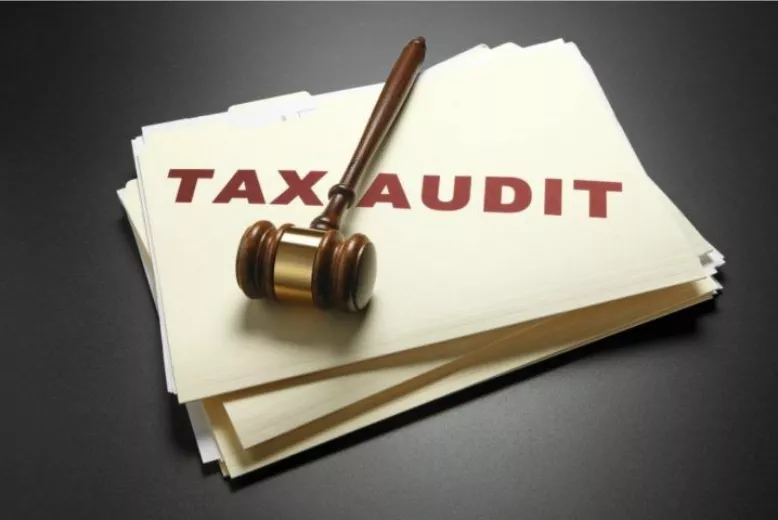
Why SARS Audits Are on the Rise
Every South African business, big or small, is subject to scrutiny from the South African Revenue Service (SARS). In recent years, SARS has intensified its audit and verification activities, using advanced data analytics and cross-referencing systems to identify discrepancies faster than ever.
For compliant businesses, this trend is no cause for alarm, but for those unaware of how SARS flags potential risks, an audit can quickly become an expensive wake-up call. Knowing what triggers an audit, and how to prepare for one, is the best way to stay ahead.
What Typically Triggers a SARS Audit
SARS audits are not random. They are driven by specific patterns and data inconsistencies. Understanding these triggers helps businesses identify potential risks before SARS does.
1. Inconsistent or Suspicious Reporting
When your VAT submissions, PAYE declarations, or income tax returns don’t align, it raises an immediate red flag. For instance, declaring high turnover but minimal profit margins may prompt SARS to investigate underreporting or improper expense claims.
2. Frequent Refund Claims
Businesses that regularly claim VAT refunds, especially large or unexpected ones, often attract additional scrutiny. SARS wants to verify that the input VAT claimed is legitimate and properly supported by documentation.
3. Unusual Expense Deductions
Claiming deductions that appear inconsistent with the nature of your business (for example, luxury vehicle expenses in a small consultancy) can trigger further questions.
4. Late or Amended Returns
Consistently submitting late returns or making repeated amendments suggests poor recordkeeping, which SARS views as a compliance risk.
5. Third-Party Data Mismatches
SARS cross-checks company data with third-party submissions such as suppliers, banks, and payroll systems. Any mismatch between your reported figures and those of others can spark a deeper investigation.
How to Prepare Before an Audit Ever Happens
Preparation is your best protection. Even if your business has never been audited, it should operate as if one could occur at any time.
1. Keep Your Records Organised
Maintain comprehensive, digital records for at least five years, including:
- Invoices and receipts
- Payroll documentation
- Bank statements and reconciliations
- Signed financial statements
- VAT schedules and tax return confirmations
2. Conduct Internal Compliance Reviews
Regular internal audits by your accountant or tax practitioner can identify small mistakes before SARS does. A pre-audit health check ensures documentation is complete, figures align across systems, and compliance gaps are addressed early.
3. Use Registered Tax Practitioners
A tax expert familiar with SARS procedures ensures that your submissions are accurate, defensible, and aligned with the latest legislation. They also know how to communicate with SARS professionally should a query arise.
4. Ensure Digital Alignment
SARS’s systems (such as eFiling and the new auto-assessment tools) compare reported data against external sources in real-time. Using accounting software that integrates seamlessly with these platforms reduces errors.
What to Expect If You Are Audited
If you receive a SARS audit notice, don’t panic, but act fast. SARS typically outlines the specific tax periods or submissions under review.
The Process Generally Includes:
- Notification Letter: outlining the scope and requested information.
- Documentation Submission: businesses usually have 21 days to respond.
- Verification and Queries: SARS reviews your documents and may request further clarification.
- Audit Findings Report: if discrepancies are found, SARS issues a Letter of Findings.
- Objection or Settlement: if you disagree, you can submit a formal objection within 30 days.
Failure to respond within the specified timeframe can result in assessments based on estimates, often far higher than what’s actually owed.
Avoiding Penalties and Preserving Reputation
A SARS audit doesn’t just affect finances; it can damage credibility with clients, banks, and investors. Common penalties include:
- Understatement penalties (up to 200% of the tax shortfall)
- Interest on unpaid amounts
- Administrative penalties for late or incomplete submissions
Businesses that demonstrate cooperation and transparency during audits typically face lighter penalties, or none at all.
The CTV Insight: Compliance is Cheaper Than Correction
For every rand spent on proactive compliance, businesses can save thousands in potential penalties and lost productivity. SARS’s use of AI-driven detection means mistakes, even small ones, are less likely to go unnoticed.
Conclusion: Be Audit-Ready, Always
SARS audits don’t have to be intimidating. By maintaining disciplined records, working with qualified tax practitioners, and reviewing your submissions regularly, you can confidently face any review process.
If you’re unsure about your audit preparedness, CTV’s team of professionals can help. From internal compliance reviews to full audit support, we ensure your business stays protected, and compliant.