Profit on Paper Doesn’t Always Mean Cash in the Bank
Many South African businesses appear profitable on paper yet still struggle to meet their tax obligations. Owners and finance managers are often confused when strong sales and healthy profit margins fail to translate into available cash for SARS payments.
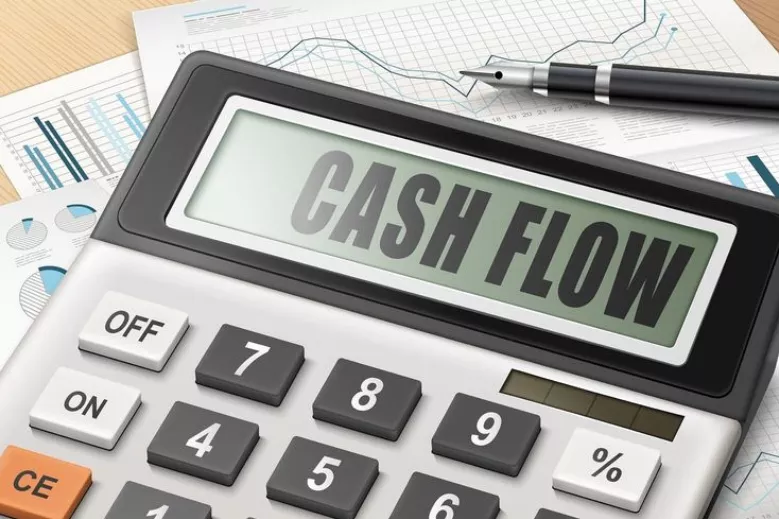
The reality is that cash flow and taxable profit are not the same thing. A business can generate substantial revenue while still facing severe cash flow tax problems due to the timing of VAT, PAYE, supplier payments, debtors, and provisional tax obligations.
Understanding the difference between accounting profit and available cash is essential for long-term financial stability. Businesses that ignore these timing mismatches often experience ongoing SARS cash flow pressure, even when operations appear successful.
This article explains why profitable businesses still struggle with tax liabilities, where the pressure points occur, and how strategic planning can improve financial control.
Profit Does Not Equal Available Cash
One of the biggest misconceptions in business is assuming that profitability automatically means liquidity.
A company’s financial statements may show strong profit figures, but several factors can reduce actual cash availability:
- Customers paying late
- Large amounts tied up in stock
- VAT payable before debtors settle invoices
- Payroll obligations due monthly
- Provisional tax estimates based on projected profits
As a result, businesses can become “profitable but cash-poor”.
Why SARS Obligations Create Cash Flow Pressure
SARS operates on fixed deadlines regardless of whether businesses have collected payment from clients.
This creates a major challenge for growing businesses.
VAT Timing Problems
VAT is one of the most common causes of cash flow strain.
Businesses must generally pay VAT based on invoices issued, not money received.
This means:
- A business invoices a client
- VAT becomes payable to SARS
- The customer delays payment
- The business still owes VAT
For companies with slow-paying debtors, this creates immediate pressure.
Timing Mismatches and Tax Due Dates
PAYE Pressure
PAYE must be paid monthly.
Even if:
- Clients have not paid invoices
- Projects are delayed
- Revenue fluctuates
Employee-related taxes remain due.
This creates additional strain during slow trading periods.
Provisional Tax Cycles
Provisional tax estimates are based on expected annual income.
Problems arise when:
- Income projections are overly optimistic
- Profit margins shrink unexpectedly
- Debtor collections slow down
Businesses may owe provisional tax on profits they have not yet converted into cash.
Income Tax and Year-End Pressure
Corporate income tax often becomes a major issue at year-end when:
- Businesses discover insufficient reserves
- Tax liabilities were underestimated
- Cash was reinvested too aggressively
This results in sudden financial pressure.
Common Cash Flow Pain Points for Businesses
Rapid Growth
Ironically, fast-growing businesses often experience the greatest tax pressure.
Growth usually requires:
- Increased stock purchases
- More staff
- Higher operational costs
Meanwhile, SARS obligations increase immediately.
Long Debtor Cycles
Industries with 60-90 day payment cycles frequently struggle with VAT and PAYE timing.
Construction, consulting, and project-based industries are particularly vulnerable.
Over-Reliance on Credit
Businesses using overdrafts or short-term funding to pay taxes may create long-term financial instability.
Poor Forecasting
Without forward planning, businesses underestimate future tax obligations.
This leads to:
- Missed deadlines
- Penalties
- Ongoing cash shortages
How SARS Views Cash Flow Problems
SARS generally does not treat cash flow difficulties as justification for non-payment.
Late payments may trigger:
- Administrative penalties
- Interest charges
- Collection action
- Increased scrutiny
Even profitable businesses may face enforcement if liabilities remain unpaid.
Strategies for Managing Tax and Cash Flow More Effectively
Understand Real Cash Position
Businesses should regularly assess:
- Actual available cash
- Expected debtor collections
- Upcoming tax obligations
Profit alone is not enough.
Build Tax Reserves
Setting aside dedicated tax reserves each month reduces year-end pressure.
This improves financial discipline and prevents reactive decision-making.
Review VAT Cycles
Some businesses may benefit from changing VAT categories or filing periods depending on operational structure.
Professional advice is essential before making changes.
Improve Debtor Management
Faster collections improve liquidity and reduce SARS pressure.
Strategies may include:
- Shorter payment terms
- Early payment incentives
- Stronger credit control
Perform Tax Forecasting Regularly
Quarterly tax forecasting helps businesses:
- Estimate liabilities accurately
- Prepare for large payments
- Identify future pressure points early
The Role of Strategic Tax Planning
Tax planning is not simply about reducing liability.
It is also about:
- Managing timing
- Protecting liquidity
- Aligning operations with compliance obligations
This becomes especially important for businesses experiencing growth or seasonal income fluctuations.
How CTV Helps Businesses Manage Tax Pressure
CTV supports businesses through:
- Tax forecasting and planning
- VAT and provisional tax reviews
- Cash flow assessments
- SARS compliance management
- Payment arrangement support where necessary
Our approach focuses on helping businesses remain compliant while maintaining operational stability.
Why Financial Visibility Matters
Businesses often face problems because management lacks visibility into:
- Upcoming liabilities
- Payment timing
- Actual cash requirements
Clear reporting and forecasting reduce uncertainty and improve decision-making.
Conclusion
Cash flow problems are not always caused by poor profitability. In many cases, they stem from timing mismatches between operational cash movement and SARS obligations.
Understanding how VAT, PAYE, provisional tax, and debtor cycles affect liquidity allows businesses to manage tax pressure proactively instead of reactively.
With proper planning, forecasting, and professional support, businesses can reduce financial strain while remaining fully compliant.
If your business is profitable but constantly under tax pressure, contact CTV for strategic tax and cash flow guidance.