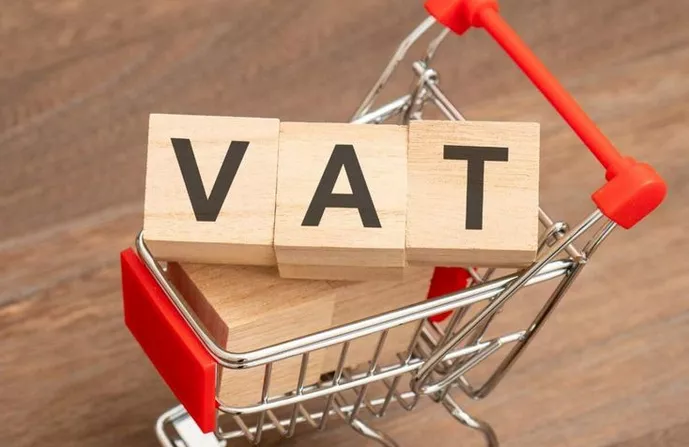
The Overlooked VAT Risk
Many South African businesses rely on foreign suppliers for software, consulting, marketing, and professional services. While these transactions are essential in a global economy, they often carry a hidden tax risk that is frequently misunderstood, VAT on imported services.
Unlike goods entering South Africa, services are not physically inspected at borders. However, SARS still requires VAT to be accounted for through a mechanism known as the reverse charge VAT system.
Failure to understand or apply this correctly can lead to unexpected VAT liabilities, penalties, and audit exposure. This article explains how foreign supplier VAT obligations work, when reverse charge VAT applies, and how to ensure compliance.
What Are Imported Services?
Imported services refer to services supplied by a non-resident (foreign) provider to a South African recipient.
Common examples include:
- Software subscriptions (e.g. cloud platforms)
- Digital marketing services
- Consulting and advisory services
- IT support and development
- Online training and licensing fees
The key factor is that the supplier is not registered for VAT in South Africa, while the service is used locally.
Why Foreign Services Trigger VAT Obligations
When services are imported, SARS expects VAT to be accounted for as if the service had been supplied locally.
This is because:
- Local suppliers must charge VAT
- Foreign suppliers often do not
- Without intervention, VAT could be avoided entirely
To prevent this, SARS applies reverse charge VAT South Africa rules, ensuring fairness between local and international suppliers.
The Reverse Charge Mechanism Explained
What Is Reverse Charge VAT?
Reverse charge VAT shifts the responsibility of VAT payment from the supplier to the recipient (the South African business).
Instead of the supplier charging VAT:
- The business must calculate VAT on the value of the service
- Declare it to SARS
- Pay it where applicable
When Does Reverse Charge VAT Apply?
Reverse charge VAT applies when:
- The supplier is not a South African VAT vendor
- The service is used in South Africa
- The service is not used exclusively for taxable supplies
If the service is used for making taxable supplies, the VAT may be recoverable. However, if used for exempt or private purposes, VAT becomes payable.
Common Triggers Businesses Overlook
Many businesses unintentionally fall into VAT risk areas.
Digital Subscriptions
Subscriptions to international platforms (software, design tools, CRM systems) often fall within imported services.
Foreign Consultants
Payments to offshore consultants or advisors may trigger reverse charge VAT obligations.
Marketing and Advertising
Online advertising services from foreign providers can create VAT exposure.
Licensing and Royalties
Payments for intellectual property or licensing agreements may require VAT treatment.
Documentation Requirements for Compliance
Proper documentation is essential to support VAT treatment.
Businesses should maintain:
- Supplier invoices showing foreign origin
- Contracts or service agreements
- Proof of payment
- Internal VAT calculations
- Records showing how the service is used
Without this, SARS may disallow claims or impose additional assessments.
Penalty Exposure and SARS Risk
Failure to apply VAT on imported services can result in:
- Underpaid VAT assessments
- Interest on outstanding amounts
- Administrative penalties
- Increased audit risk
SARS’s data systems increasingly identify foreign transactions through:
- Bank records
- Cross-border payments
- Supplier declarations
This makes non-compliance easier to detect.
How Imported Services Affect Cash Flow
VAT on imported services can impact cash flow depending on usage.
- If fully claimable – neutral effect
- If partially claimable – cash outflow
- If non-claimable – full VAT cost
Understanding this helps businesses plan and avoid unexpected liabilities.
Prevention Strategies for VAT Compliance
Review Foreign Supplier Transactions
Identify all foreign payments and assess VAT implications.
Classify Service Usage Correctly
Determine whether services relate to taxable or exempt activities.
Maintain Accurate Records
Ensure documentation supports VAT treatment.
Perform Regular VAT Reviews
Periodic reviews reduce long-term risk.
Seek Professional Guidance
Complex transactions benefit from expert interpretation.
How CTV Supports VAT Compliance
CTV helps businesses manage VAT risks through:
- VAT reviews and risk assessments
- Reverse charge VAT calculations
- SARS compliance alignment
- Documentation support
- Ongoing advisory
This ensures businesses remain compliant without unnecessary exposure.
Conclusion
VAT on imported services is one of the most overlooked areas in South African tax compliance. As businesses increasingly rely on global suppliers, understanding reverse charge VAT South Africa rules is essential.
By identifying risk areas early, maintaining proper documentation, and applying VAT correctly, businesses can avoid penalties and remain compliant.
If your business works with foreign suppliers, contact CTV to review your VAT position and ensure full compliance.